

Discover Maine’s Wildlife
The animals living at the park are here because they can’t survive in the wild. Whether injured or orphaned, our residents are offered care and protection. Enjoy the beauty of Maine’s wildlife and learn why these amazing animals are worth saving.

Large Mammal

Large Mammal

Large Mammal

Large Mammal
Large Mammal

Bird
Wildlife FAQs
Curious about the wildlife you’ve met? Learn why they’re here, how they’re cared for, and what makes each species special.
Is every species at the park native to Maine?
Almost! Nearly all of the animals you’ll see represent wildlife that lives in Maine. The main exception is our peacocks. These colorful birds have been part of the park since the 1940s and have become a bit of a tradition around here.
When it comes to wildlife, “native” can be a relative term. Wildlife ranges can change over time. For example, Virginia opossums have only recently expanded their range into Maine, and Eastern coyotes have been here for nearly a century, after gradually expanding their range and stepping into an ecological role once filled by wolves.
What’s “wrong” with the animals? Will they ever be released?
Most of the animals at the park are permanent residents because they can’t survive on their own in the wild. Some were injured, others were orphaned, and some were raised by people or kept illegally in captivity.
Many come to the park through wildlife rehabilitators, law enforcement, or other wildlife facilities. Because they rely on people or have lasting injuries, releasing them wouldn’t be safe for them—or for the ecosystem.
Instead, they live here as ambassadors for their species, helping visitors learn about Maine’s wildlife and why protecting it matters.
What do the animals eat?
Just like in the wild, the animals here have very different diets. Some are herbivores that eat leaves, buds, and twigs. Others are omnivores that enjoy fruits, insects, and plants. Our carnivores eat foods like meat, chicken, or mice.
Whenever possible, natural foods like deer or moose that were killed in road accidents are used to feed the park’s carnivores. Most animals are fed once a day, though feeding times, portions and techniques vary depending on the species.
How much do the park’s largest animals weigh?
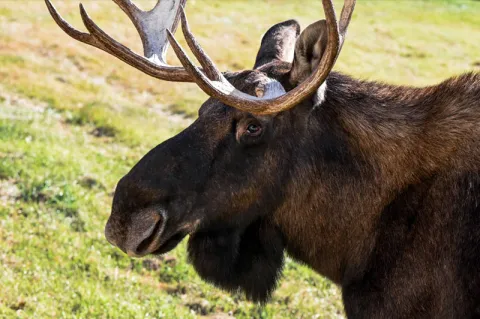
No surprise here—moose take the title for largest resident. Adults can weigh anywhere from 700 to 900 pounds, making them the biggest animals you’ll see at the park.
What happens to the animals in the winter?
The park closes to visitors each winter, but the animals are cared for every day of the year. A small team of dedicated staff members keeps things running through the colder months.
Many larger mammals remain in their regular exhibits, while birds and smaller animals may move to more protected enclosures on the property. Special dens, bedding, and other winter accommodations are added when needed—but most of Maine’s wildlife is well adapted to the cold.
How long do the animals live?
Wildlife living in human care often lives longer than animals in the wild, where food shortages, injuries, and predators are common challenges.
Life span varies by species. Some animals, like ground birds and opossums, may only live a couple of years. Others—like certain raptors—can live up to 40 years in the right conditions.
Meet the Wildlife Keepers
Get to know the dedicated team who care for the animals every day. Learn how they support wildlife health, enrichment, and conservation at the park.