Schools and organizations across Maine are building Extended Learning Opportunity programs that connect students with careers, mentors, and their communities. The table below lists each program, the pathways it offers, and related coverage.
Internships built around Flex Friday, when students spend every Friday outside the building on year-long placements. Forty students took part in the 2022 school year. Placements vary in length and scope, from projects with defined deliverables to open-ended exploration of a professional setting. A partner network provides mentorship and real community problems for students to work on.
Three pathways: job opportunities, internships, and independent studies. Focus on career experiences that build content knowledge, soft skills, and confidence for post-secondary pathways.
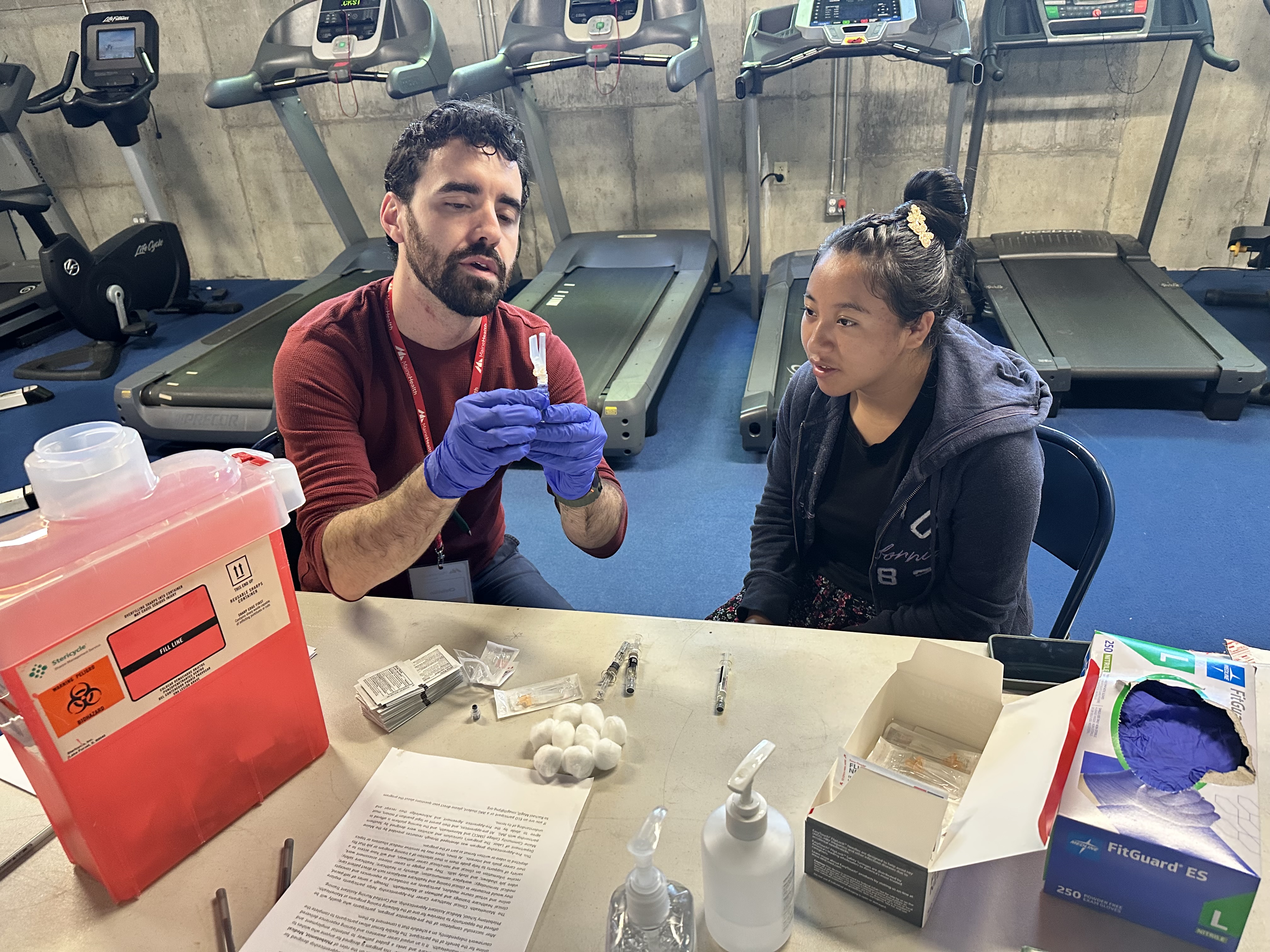
Credit-bearing learning outside the traditional classroom through internships, job shadows, mentorships, apprenticeships, digital learning, independent study, and community service. Internships run 50–60 hours on site over a semester for juniors and seniors in good standing, with an hours log, bi-weekly check-ins, and a final presentation. Extended studies span architecture, engineering, medical, and education fields, and include the ACE Mentor Program, Thomas College's Future Teachers Academy, and the MaineHealth Career Pipeline Program.
Individualized 60-hour courses planned with and supervised by the ELO Coordinator, and sometimes a community partner, earning credit toward graduation. Formats include independent study, volunteering, tutoring, internships, work-based learning, community service learning, and online courses. Students apply by explaining how their interest began and what motivated them to pursue it. Separately, every BHS student must complete 30 hours of approved community service to graduate.
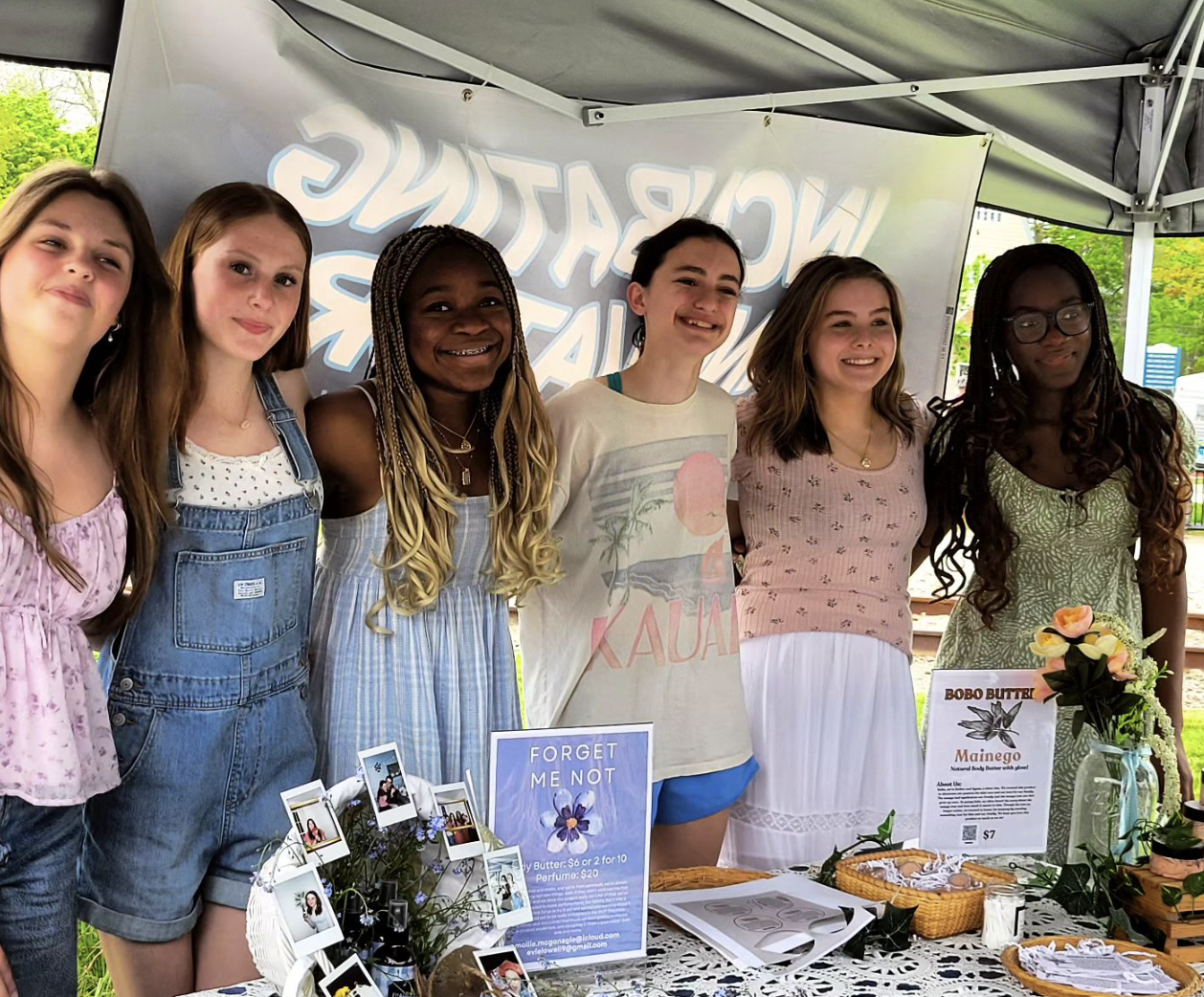
Hands-on, for-credit, pass/fail courses built around individual aspirations and community connections. Three ELO types: interest-based projects, group and regional ELOs, and internships. Also runs student businesses and a community resource sign-up for local partners.
Connects students with an outside mentor through an internship, job shadow, work study, or specialized project in their desired career field. ELOs are credit-bearing, and some business mentors offer paid experiences. The site also covers independent ELOs, an ELO elective course, and student examples.
Multiple Pathways program with three routes: SILO/independent study, career shadowing, and employment. Independent studies are half-credit elective courses (60 hours) designed with the Pathways Coordinator in an academic area not otherwise offered, developed in collaboration with local and regional experts.
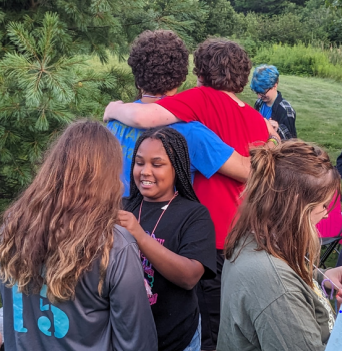
Regional ELO support funded by a Maine DOE ELO Expansion grant, rather than a single school program. Runs the DownEast Teen Leadership Camp, a weeklong overnight camp at the Cobscook Institute planned by a youth advisory team, which drew 43 Downeast teenagers in 2024. Also coordinates the Washington County Leadership Challenge and group trips such as the Maine Youth Leadership Conference, working with Coastal Washington County Institute of Technology and the Maine Youth Action Network. CWCIT has embedded ELOs into its Early Childhood Education class time. 53 students engaged in work opportunities to date.
Community-based learning outside the traditional classroom, offered as either credit-bearing or enrichment, matched to a student's learning style, talents, and interests. The site covers the ELO process, types of ELO, critical components, a possibility board and opportunities calendar, plus sections for students, teachers, parents, and community partners. Partnered with JMG.
Community-based experiences outside the normal classroom setting, for credit. The site lists types of ELOs, a student application, current student opportunities, and separate resources for students/families and community partners.
ELOs let students earn credit through internships, job shadows, and real-world projects, coordinated alongside community partnerships, career and workforce development, and student leadership and service. Recognized for exemplary leadership in advancing high-quality ELOs through its Maine DOE ELO Expansion grant. Its second annual STEM Night in January 2026 drew roughly 500 attendees and more than 40 vendors, with virtual medical simulations, Lego robotics, a Bath Iron Works virtual reality trailer, and digital arts showcases.
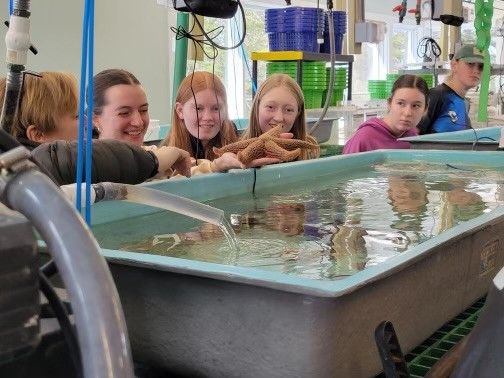
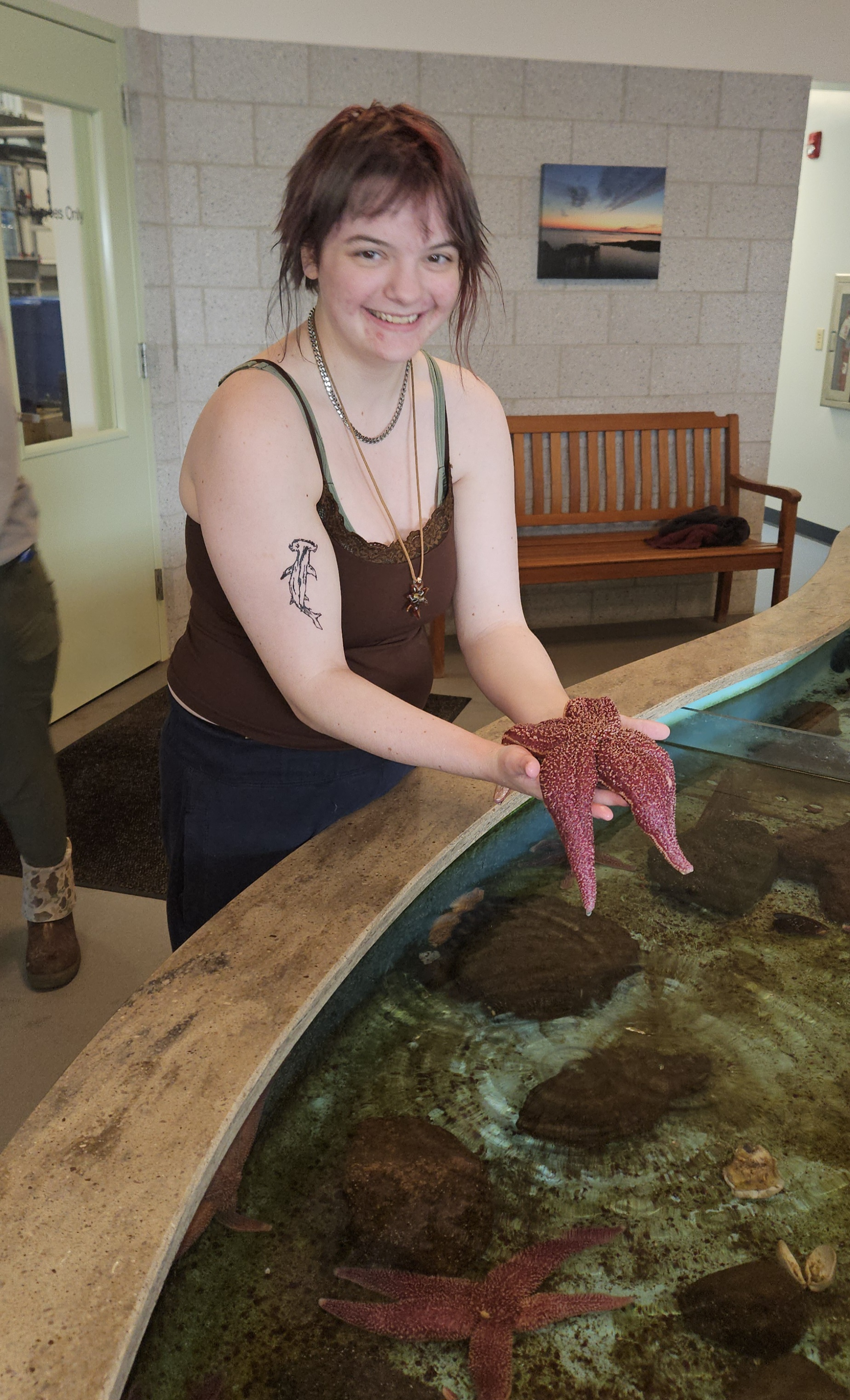
Recipient of the Maine DOE ELO Expansion grant 2.0, launched in 2025. Its Marine Science ELO is a year-long program combining off-campus field trips, guest speakers, and reflective learning, built around student interest and co-led by two ELO coordinators. Students explore career and educational pathways in marine science while connecting the work to their core science classes. A recent trip to the University of New Hampshire's Coastal Floating Lab had students collecting and testing water samples, conducting plankton tows, examining dinoflagellates under microscopes, and learning navigation and nautical charts.
Work Experience Program preparing students for the transition from high school to post-secondary plans. Students keep good academic standing, check in bi-weekly with the ELO Coordinator, and submit work hours verified by their employer. The site also takes ELO requests and lists community partners.
The Education Exchange, a 501(c)(3) founded in 1993, serves the Oxford Hills district and Region 11 technical school. Offers K-12 community business partnerships, community internships and job shadows for high school students, and financial literacy in the middle and high schools. Over 300 internship placements to date.
Hands-on, credit-bearing experiences mixing academic work such as papers and presentations with project-based learning, internships, and job shadows. Sacopee publishes a searchable directory of actual placements with named community partners across 14 career categories. Examples include paid internships in assisted living and construction, registered apprenticeships in heavy machinery operation, and job shadows in accounting, architecture, automotive repair, cosmetology, dentistry, gastroenterology, law, live theater, mortuary science, museum work, radiology, speech pathology, veterinary medicine, welding, and sawmill operation. In-district placements cover pre-K classrooms, the IT team, and the speech pathologist. One 2023 graduate earned a Maine Guide license through his ELO.
Learning experiences at local businesses, community organizations, or with community experts, with professionals serving as mentors. Four types: internships, co-op programs that earn credit for an existing job, job shadowing, and structured ELOs that function like an additional class. The program spans all 25 programs across SHS and Sanford Regional Technical Center; internships require an 80% average.
Career Pathways Program connecting students with professionals in their field of interest. Experiences include informational interviews, job shadows, group job site visits, guest speaker programs, and internships, made possible through local business and community partners.
South Portland High School
ELOs run as a class, letting students test a career interest before committing to it. Documented examples include job shadowing a dentist, then switching to interior design after visiting a local business; visiting a fire station, learning techniques and receiving a job offer there; and a marketing-based ELO promoting the program through social media, work with the school's marketing coordinator, and building an ELO section on the school website. The Youth Doula Initiative is a further model for career-connected learning.
Student-designed, credit-bearing ELOs built around an essential question, plus senior capstone projects. Experiences include volunteering, job shadowing, internships, working, and interviewing experts. Group ELOs are available. Weekly reflections, a final product, and a presentation to ELO mentors are required.
Semester-long, credit-bearing experiences pairing each student with an in-school coach and a community mentor. Five ELO types: project-based learning, career exploration, internship or apprenticeship, work study, and group ELOs. The site archives student presentations going back to 2018.